
Views: 0 Author: Site Editor Publish Time: 2026-08-14 Origin: Site


Historically, female cricketers faced a frustrating reality on the pitch. They stepped up to the crease wearing downsized men's or boxy unisex cuts. These ill-fitting garments restricted movement and severely impacted athletic performance. Today, we understand true athletic performance demands better. The modern baseline requires purpose-built garments acknowledging female biomechanics. They must offer optimal thermal regulation during grueling matches and feature durable branding.
Wearing the right gear prevents overheating, stops chafing, and empowers athletes to play at their peak. This comprehensive guide provides an evidence-based framework for evaluating and sourcing high-performance apparel. Club managers, procurement teams, and athletes will discover how to assess fabric technology, perfect ergonomic fits, and navigate team ordering logistics effectively. You will learn how to balance style and functionality seamlessly. We break down complex manufacturing choices into simple, actionable steps.
Ergonomic alignment over "unisex" scaling: True women's fits require specific adjustments in shoulder width, torso length, and waist tapering to ensure unrestricted batting and bowling mobility.
Fabric technology drives stamina: Prioritize high-GSM moisture-wicking polyester blends and strategic micromesh paneling for optimal thermal regulation and UV resistance.
Sublimation is the standard for customization: Dye-sublimation ensures sponsor logos and player numbers do not compromise fabric breathability or peel after aggressive washing.
Team procurement requires stringent vetting: Bulk orders necessitate clear Minimum Order Quantities (MOQs), verified sizing samples, and guaranteed turnaround times to mitigate adoption risks.
Modern sportswear relies heavily on material science. You cannot achieve peak athletic stamina wearing subpar materials. Teams must carefully evaluate fabric properties before making purchasing decisions.
Athletes need garments feeling weightless. Lightweight fabrics usually sit between 140 and 160 grams per square meter (GSM). This specific range offers the perfect balance. It feels incredibly light during intense summer matches. However, it does not compromise tear resistance. Players often dive, slide, and scrape across rough outfields. A 150 GSM interlock knit withstands these harsh abrasions effortlessly. Lighter fabrics might breathe better initially. Sadly, they tear easily upon ground contact. You must prioritize this specific performance-to-weight ratio for longevity.
Sweat accumulation causes severe discomfort. It also adds unnecessary weight to the garment. High-quality synthetic blends excel at moisture management. Interlock polyester utilizes a process called capillary action. The fabric fibers actively pull sweat away from your skin. They disperse this moisture across the garment's outer surface. This rapid dispersion accelerates evaporation significantly.
Conversely, cotton blends retain moisture. Cotton absorbs sweat like a sponge. It becomes heavy, clingy, and uncomfortable. This moisture retention leads to chafing during repetitive motions. We strongly advise against cotton blends for competitive athletic wear.
Strategic airflow keeps core body temperatures stable. Manufacturers achieve this through thoughtful ventilation architecture. They integrate micromesh zones into high-heat areas.
Underarm Gussets: Mesh panels here release trapped body heat instantly.
Side Panels: Running mesh down the torso encourages cross-ventilation.
Back Panels: A breathable upper back panel maximizes airflow during forward-leaning fielding stances.
Integrating these zones requires skill. Poorly placed mesh weakens the structural integrity of the jersey. Expertly crafted panels maximize airflow while maintaining seam strength.
Cricket involves prolonged sun exposure. Multi-day matches test both players and their equipment. UPF-rated fabrics are absolutely essential. They protect athletes from harmful ultraviolet radiation. Furthermore, constant sun exposure degrades fabric dyes. Inferior materials fade quickly, leaving teams looking unprofessional. Advanced polyester blends offer superior colorfastness. They resist fading under intense UV rays and aggressive washing cycles.
Fabric Performance Comparison
Fabric Property | High-GSM Polyester Blend | Standard Cotton Blend |
|---|---|---|
Moisture Management | Excellent (Capillary action) | Poor (Retains moisture) |
Tear Resistance | High (140-160 GSM) | Moderate to Low |
UV Protection | High (UPF treatments available) | Minimal |
Colorfastness | Superior (Resists fading) | Prone to fading |
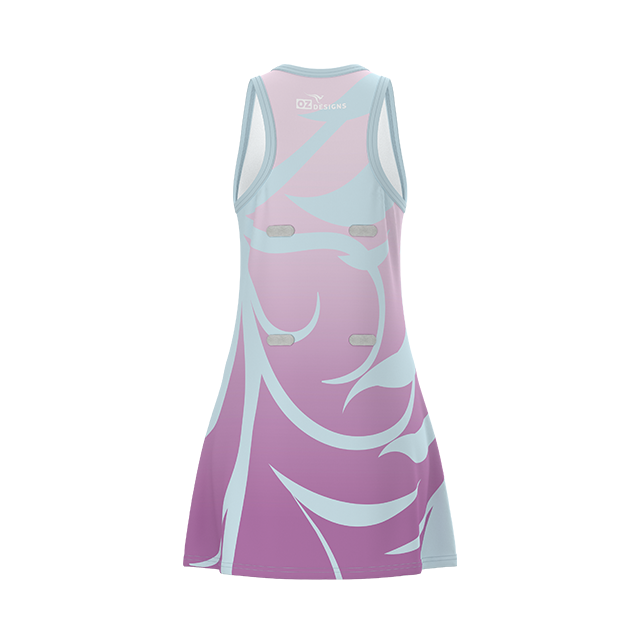
Historically, brands simply sized down men's apparel. This approach failed female athletes entirely. Today, biomechanical engineering drives proper garment construction.
The "shrink it and pink it" era is officially over. Female athletes possess different anatomical realities. They require specific articulation in the shoulders. Bowlers need a full range of motion without fabric pulling across the back. Tailored hemlines are equally critical. A properly engineered Womens Cricket Jersey does not ride up during dynamic fielding. It stays securely tucked or sits cleanly over trousers. This tailored approach eliminates constant mid-match adjustments.
Players have different preferences regarding how garments drape. Manufacturers typically offer two distinct fit profiles.
The athletic or slim fit contours closely to the body. This profile reduces excess fabric. It minimizes aerodynamic drag during quick sprints. It also prevents snagging on equipment. Many elite players prefer this streamlined approach.
The relaxed or regular fit provides more breathing room. It accommodates varying body types comfortably. Some players prefer this looser feel for all-day comfort. Teams should ideally offer both options to their rosters.
Collar design impacts both aesthetics and comfort. The V-neck collar has become increasingly popular. It offers an unrestrictive feel around the throat. Traditional polo collars remain a classic choice, providing extra sun protection for the neck.
Regardless of the neckline, seam construction dictates comfort. Flatlock stitching is non-negotiable. Traditional raised seams rub against the skin. Over a six-hour match, this friction causes severe chafing. Flatlock seams lie perfectly flat. They eliminate irritation during repetitive bowling and batting motions.
Best Practice: Always request unbranded sizing samples before placing team orders. Fit preferences vary wildly between individual players.
A team's visual identity matters immensely. However, applying logos should never ruin a garment's functionality. The printing method determines the final product's quality.
Screen printing applies thick layers of ink on top of the fabric. This process ruins athletic apparel. The heavy ink blocks airflow completely. It creates sweaty, uncomfortable patches underneath logos. Furthermore, screen-printed designs crack and peel after repeated washing.
Dye-sublimation is the only optimal choice. This process uses heat to turn ink into a gas. The gas embeds directly into the fabric fibers. It permanently dyes the material. This ensures zero added weight. The fabric retains 100% of its breathability. Sublimated designs never crack, peel, or fade.
Sublimation unlocks unlimited design feasibility. Teams can perfectly match specific Pantone club colors. You can integrate complex gradient patterns effortlessly. High-visibility sponsor logos blend seamlessly into the overall design. Designers face zero color limitations. This freedom allows clubs to build strong, recognizable brand identities on the pitch.
Variable data printing handles roster personalization. This includes unique player names and numbers. Sublimation handles variable data seamlessly within the same production run.
Font legibility requires careful attention. Broadcast standards dictate specific sizing for numbers. Umpiring standards require clear contrast between the font and the background color. Avoid overly stylized fonts. They look great up close but become unreadable from the boundary line.
Common Mistake: Using dark text on a dark gradient background. Always ensure high-contrast lettering for optimal visibility.
Ordering custom teamwear involves significant logistical challenges. Procurement teams must navigate these risks methodically. A rigorous vetting process prevents costly mistakes.
Standardized sizing across manufacturers simply does not exist. A "Medium" from one supplier might equal a "Small" from another. This discrepancy causes major headaches upon delivery.
You must request mandatory physical sizing kits. Exact measurement charts help, but physical garments remove all guesswork. Have every player try on the physical sizing kit. Record their preferred sizes meticulously before committing to a bulk team order.
Evaluating B2B vendors requires a strict framework. You must look for transparency within their supply chains. Ask detailed questions about their manufacturing facilities.
Realistic production lead times matter. Custom gear typically requires 3 to 6 weeks for production. Vendors promising significantly faster turnaround times often cut quality corners. Clear Minimum Order Quantities (MOQs) also impact your decision. Ensure the vendor allows small top-up orders for new players joining mid-season.
When procuring a bulk order of a customized Womens Cricket Jersey, rigorous testing is mandatory. You must inspect prototype samples thoroughly.
Inspect Seam Strength: Pull firmly on the flatlock stitching. The thread should hold without snapping or exposing gaps.
Verify Color Accuracy: Compare the sublimated fabric directly against your club's official brand guidelines under natural sunlight.
Test Stretch Recovery: Stretch the micromesh panels. They should snap back to their original shape immediately without bagging.
Examine Print Clarity: Check the edges of sponsor logos. They should look crisp and sharp, not blurry or pixelated.
Procurement teams often face tight budgets. Understanding how manufacturers price their garments helps you make informed decisions. Price tags reflect multiple underlying variables.
Several primary cost drivers dictate the final price of custom cricket apparel. Fabric grade sits at the top. Premium 150 GSM interlock polyester costs more than basic synthetic blends. Design complexity also plays a role, though sublimation minimizes this impact.
Order volume heavily influences pricing tiers. Larger bulk orders reduce the per-unit cost significantly. Shipping logistics, especially international freight, add unavoidable overhead. Understanding these drivers helps you negotiate better terms with suppliers.
We recommend building a strict criteria checklist for buyers. This systematic approach ensures you hit every requirement.
Confirm Fabric Specs: Get the exact GSM and material composition in writing.
Request Physical Samples: Never buy based purely on digital mockups. Feel the fabric yourself.
Verify Policies: Check the vendor's return and reprint policies regarding manufacturing defects.
Review MOQs: Ensure future top-up orders remain affordable.
Following this framework eliminates surprises. It guarantees you receive exactly what your team needs.
The right garment represents a critical piece of sports equipment, not just a uniform. It serves as the foundation for peak athletic execution on the pitch. Balancing ergonomic fit, advanced breathability, and reliable customization technologies directly influences player comfort. Furthermore, it elevates team professionalization and visual identity.
Start evaluating your current gear immediately. Check for movement restriction, moisture retention, or peeling logos. Audit your current supplier's sizing charts for accuracy. Reach out to reputable manufacturers and request a physical fabric sample. Taking these action-oriented steps today guarantees your team plays better tomorrow.
A: A true women's fit features specific anatomical tailoring. It utilizes shorter sleeves, a tapered waist, and an adjusted shoulder drop. These modifications prevent fabric bunching across the chest and back. They eliminate the movement restriction commonly experienced when wearing boxy, oversized unisex cuts.
A: We highly recommend 100% moisture-wicking polyester integrated with micromesh ventilation panels. This combination offers superior sweat evaporation and airflow. It actively pulls moisture away from the skin, keeping players significantly cooler and drier compared to heavy, moisture-retaining cotton blends.
A: Dye-sublimation bonds the ink directly into the fabric fibers at a molecular level. Because the dye becomes part of the material, the design will typically outlast the physical garment itself. It will not crack, peel, or fade, even after years of aggressive washing.
A: Always order a physical sizing run first, as standardized sizing does not exist. Verify the manufacturer's Minimum Order Quantity (MOQ) to ensure small top-up orders for new players remain affordable. Finally, confirm the exact fabric GSM to guarantee optimal durability and breathability.


