
Views: 0 Author: Site Editor Publish Time: 2026-06-15 Origin: Site


Sourcing teamwear goes far beyond selecting appealing colors and sharp aesthetics. Modern managers face complex challenges daily. They must balance athletic performance, high sponsor visibility, and strict budget constraints simultaneously. Cricket introduces distinct physical demands unparalleled in many other sports. Fielders endure multi-hour exposure to intense sunlight. Batsmen execute repetitive sweeping motions continually throughout an innings. Bowlers require exceptionally durable materials to withstand diving on rough, abrasive turf. This comprehensive guide provides team managers, club owners, and tournament organizers a concrete evaluation framework. You will learn to assess fabric technical specifications confidently. We will explore optimal customization methods comprehensively. You can then comfortably procure a customized Cricket Jersey protecting both your active players and your long-term organizational investment.
A purpose-built custom cricket jersey improves player comfort during long matches and ensures sponsor logos remain visible and intact.
Sublimation printing is the industry standard for cricket jerseys due to its fade resistance and zero-weight addition, outperforming screen printing and embroidery.
Evaluating vendors requires scrutinizing fabric technical specs (moisture-wicking, UV protection), sizing consistency, and guaranteed lead times.
Mitigating procurement risks involves requesting physical samples, verifying vector artwork requirements, and establishing clear terms for future top-up orders.
Standard athletic wear fails rapidly during a standard fifty-over match. Active players demand highly specific apparel engineering. Moisture management becomes absolutely critical during prolonged innings. Sweating continues unabated over three to six hours under heavy sunlight. Generic cotton shirts absorb this sweat output very quickly. They become heavy and cling uncomfortably to the skin. A purpose-built Cricket Jersey utilizes specialized capillary action instead. It pulls trapped sweat away from the body efficiently. Anti-pilling resistance also matters immensely for ground fielding. Slip fielders dive on abrasive grass frequently during a game. Standard fabrics degrade and tear under this intense friction. Purpose-built garments resist these structural abrasions seamlessly.
Corporate sponsors demand high visibility across all media channels. They expect exact Pantone color matching for their precise branding. Custom designs guarantee logos scale correctly across all player sizes. Standard off-the-rack shirts severely limit where you can place crests. Purpose-built manufacturing allows highly dynamic logo placements easily. It secures maximum sponsor return on investment consistently. Vibrant, accurate colors reflect corporate brand integrity perfectly. Sponsors renew contracts faster when their logos look sharp.
Uniform quality carries heavy psychological weight inside the dressing room. Teams wearing cohesive, premium apparel project immediate, undeniable professionalism. It unifies the entire squad instantly before stepping onto the pitch. High-quality teamwear often intimidates opposing teams before the coin toss. Players feel respected and valued by their club administration. Perceived professionalism elevates overall athletic performance in competitive leagues. Feeling confident directly translates to better on-field decision making.
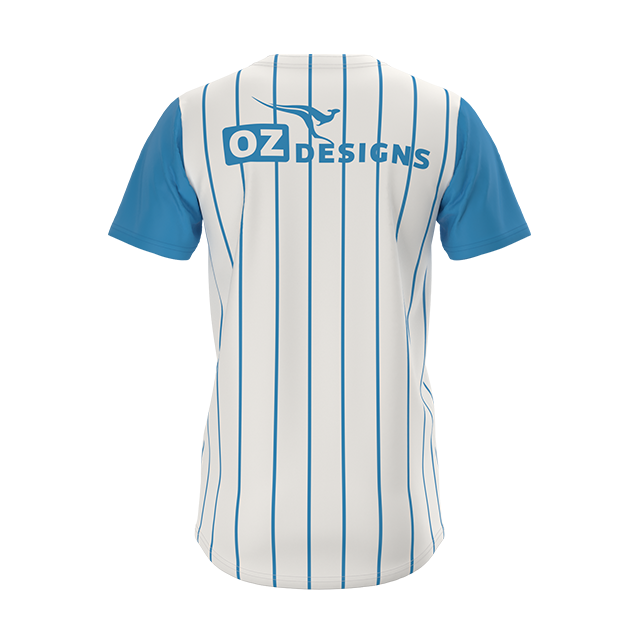
Choosing the right fabric dictates long-term on-field success. You must evaluate 100% polyester micro-mesh against modern poly-spandex blends. Micro-mesh offers superior breathability during sweltering afternoon fixtures. Poly-spandex blends provide essential stretch for fast, aggressive bowlers. Both options require advanced moisture-wicking capabilities inherently. Capillary action forces internal sweat directly to the garment surface. Quick-dry ratings determine how fast this surface moisture evaporates.
Durability metrics separate professional gear from amateur clothing.
Anti-snag threads: Prevent loose loops forming when players brush against equipment.
Anti-pilling finishes: Stop the fabric developing tiny fuzz balls after repeated washing.
Abrasion resistance: Maintains structural integrity during aggressive ground fielding and sliding.
Environmental protections represent another absolute non-negotiable factor today. Daytime matches expose teams to harsh ultraviolet radiation continually. A dependable Cricket Jersey requires factory-applied UV-resistant chemical treatments. Look for a verified UPF 30+ rating minimum. Thermal regulation also demands strategically placed breathable side panels. Mesh inserts located under the arms release trapped body heat effectively. Proper ventilation prevents dangerous heat exhaustion during mid-summer tournaments.
Construction details determine the overall functional garment lifespan. High-stress areas need heavily reinforced stitching immediately. Shoulders and underarms endure aggressive stretching during throwing motions. Twin-needle stitching prevents embarrassing seam blowouts here. Collar stability also separates premium custom garments from cheap alternatives. Ribbed collars maintain their crisp shape after dozens of harsh wash cycles. Self-fabric collars often curl and look sloppy incredibly quickly.
Fabric Composition | Primary Advantage | Best Use Case | Moisture Management |
|---|---|---|---|
100% Polyester Micro-Mesh | Maximum airflow and lightweight breathability | Hot, highly humid climates | Excellent capillary action |
Poly-Spandex Blend | Four-way stretch and extreme flexibility | Wicketkeepers and fast bowlers | Moderate to High evaporation |
Application methods impact breathability and visual longevity heavily. You must understand the distinct mechanics behind each popular printing choice.
Dye Sublimation (Recommended)
Sublimation remains the undisputed industry standard for modern sporting apparel. The specialized ink bonds chemically directly into the polyester fibers. It never peels, cracks, or fades over extended periods. This specific method adds zero physical weight to the finished garment. It preserves maximum breathability across the entire shirt surface. You can incorporate literally unlimited colors seamlessly. Complex corporate sponsor placements become completely effortless. However, sublimation only works effectively on polyester-based fabrics. It also strictly requires high-resolution vector artwork for crisp, clean results.
Screen Printing (Legacy Approach)
Screen printing serves mostly as an outdated legacy approach now. It works adequately for single-color logos on non-performance cotton blends. It offers basic utility for simple, low-cost spectator merchandise. Yet, it fails terribly for intense active sporting use. The heavy plastisol ink adds highly unnecessary weight. It blocks essential airflow completely where the ink is applied. Players develop uncomfortable, highly visible sweat patches behind these thick logos. The designs inevitably crack and peel after repeated washing routines.
Embroidery (Niche Use)
Embroidery holds specific niche value in highly traditional club formats. It provides high perceived value for classic, intricate club crests. Teams often use it on traditional test whites or off-field polos. But it causes significant internal chafing without proper protective backing. The thick, dense thread adds noticeable physical weight to the chest area. Embroidery also shrinks quite differently than modern performance fabrics. This fundamental mismatch creates puckered, wrinkled crests after standard laundering.
Customization Method Comparison Chart | ||||
Printing Method | Weight Addition | Breathability Impact | Durability Rating | Ideal Application |
|---|---|---|---|---|
Dye Sublimation | Zero | None (Full airflow) | Extremely High | Modern performance match day kits |
Screen Printing | Heavy | Blocks airflow completely | Low (Cracks easily) | Basic fan merchandise or cheap tees |
Embroidery | Moderate to Heavy | Minor (Localized block) | High (Can pucker) | Formal off-field presentation polos |
Executing a custom teamwear rollout requires strict logistical discipline. Many clubs fail during this critical implementation phase.
The sizing risk trips up many highly experienced club managers. Inconsistent sizing charts plague the global apparel manufacturing industry constantly. A marked "Large" from one brand rarely matches another vendor accurately. We highly recommend ordering a complete physical sizing set first. Distribute these blank samples prior to any full team rollout. This proactive step eliminates costly, frustrating guessing games completely.
Fit variations also cause significant internal confusion among club members. You must distinguish clearly between a "Player Fit" and a "Supporter Fit". Player fits feature highly tapered, athletic cuts. They sit closer to the body to prevent opponent grabbing. Supporter fits offer relaxed, much more generous proportions. Fans prefer this looser style for casual weekend viewing. Choosing the wrong fit profile frustrates active players immensely.
Production and shipping timelines require realistic, conservative mapping. Manufacturing and transit typically consume three to five weeks total. Warn your organizing committee against last-minute "rush order" compromises. Factories make compounding mistakes when pressured during peak pre-season weeks. Expedited shipping often results in completely skipped quality assurance checks. Order your required Cricket Jersey stock well before your first training session.
Color fastness testing secures your visual brand identity fully. You must request a physical fabric strike-off early in the process. A strike-off is a small, fully printed fabric sample. It verifies exact color matching directly under natural lighting conditions. Digital screens display colors vastly differently than dyed physical fabrics. Checking this sample before full production prevents disastrous color mismatches.
Best Practices for Implementation Quality:
Reviewing artwork proofs on calibrated desktop monitors, never on mobile phones.
Building a three-week buffer into your delivery schedule deliberately.
Accounting for mandatory seam allowances when placing important sponsor logos near edges.
Ordering extra blank units for unexpected mid-season roster additions.
Selecting a truly dependable manufacturing partner streamlines your entire season. You need a structured framework to evaluate potential suppliers objectively.
Minimum Order Quantities demand careful, upfront evaluation. Assess the vendor's initial bulk order requirements very clearly. Then, scrutinize their exact replacement order policies deeply. Teams always hire new, unexpected players mid-season. High volume requirements for top-up orders drain club budgets rapidly. Look for vendors accommodating small batch reorders smoothly. A reliable Cricket Jersey supplier keeps your past digital designs on file securely. They allow seamless, low-volume ordering for future seasons.
Design and artwork support separates amateur print shops from professionals. Determine if the vendor provides dedicated in-house 3D mockups. Ask if they offer reliable artwork vectorization services. Many overseas factories require strictly print-ready files immediately. If your club lacks a graphic designer, this requirement stalls production indefinitely. Highly responsive vendors guide you through the digital formatting process patiently.
Invoice transparency prevents highly unpleasant budget surprises later. Look for completely all-inclusive billing models actively. Sublimation typically includes all logos inherently without limits. Beware of tiered structures hiding sudden, unexpected setup fees. Some deceptive vendors charge extra for every single sponsor addition. Clear, upfront financial agreements protect your limited club funds aggressively.
Track record establishes vital, undeniable trustworthiness. Request specific case studies proactively from potential suppliers. Ask for real references from similar sporting organizations. Verify their bold claims about durability and delivery reliability directly. Highly experienced vendors share past client successes proudly. They understand the rigorous demands of competitive athletic apparel deeply.
A custom jersey stands as a vital investment in player performance and unified club identity.
Prioritizing dye-sublimated, high-performance fabrics yields significantly better long-term returns than cheaper, off-the-rack alternatives.
Careful vendor evaluation ensures accurate sizing, precise color matching, and highly reliable mid-season top-up orders.
Audit your current teamwear specifications today to identify breathability or durability flaws.
Contact a reputable supplier immediately to request physical fabric samples and a comprehensive sizing kit.
A: Standard manufacturing and shipping typically require three to five weeks total. Variables like peak pre-season demand, complex artwork revisions, and international transit logistics can easily extend this timeline. Always buffer an extra week into your schedule to accommodate unforeseen factory delays comfortably.
A: Yes, provided your selected vendor offers low Minimum Order Quantities for top-up orders. Reputable sublimation suppliers retain your digital design files indefinitely. They can print small replacement batches matching your exact original specifications without massive setup barriers.
A: Factories strictly require vector artwork formats like EPS, AI, or high-resolution PDF files. Vector files scale infinitely without losing any edge clarity. Submitting standard JPEG or PNG files results in severe pixelation and blurry logos on the final printed garment.
A: You must use the universal Pantone Matching System to specify exact shades. Always request a physical fabric strike-off from the manufacturer. This small printed sample allows you to verify true colors under natural lighting before approving full bulk production.


