
Views: 0 Author: Site Editor Publish Time: 2026-08-14 Origin: Site


Rugby is a brutal collision sport where high abrasion meets extreme torsional stress. Every scrum, tackle, and ruck pushes athletic apparel to its absolute limits. Equipment failure on the pitch directly impacts player performance and drains team budgets. Standard gear simply breaks under this pressure. Historically, teams relied on heavy, water-logged cottons to survive these rigors. Today, elite squads embrace modern synthetic blends for superior agility. We see advanced textiles replacing stiff fabrics to provide a dynamic edge. Our guide aims to provide procurement managers, coaches, and club owners an objective evaluation framework. You will learn how to assess Rugby Wear durability and avoid sub-standard apparel. We will explore specialized weaves, reinforced stitching, and fabric weight ratios. You will discover exactly what separates resilient garments from weak alternatives. Ultimately, you will gain the knowledge needed to maximize your apparel investment.
Standard sportswear construction cannot withstand the specific torsional stress and grip forces of competitive rugby.
True durability relies on a dual-system approach: specific fabric weaves (e.g., high-GSM polyester-spandex blends) and specialized seam architecture (flatlock, bar-tacking).
Over-engineering for durability can introduce breathability and agility trade-offs; optimal rugby wear requires balancing tensile strength with dynamic stretch.
Assessing vendor reliability requires verifying textile testing standards rather than relying on surface-level marketing claims.
Rugby pitches generate intense physical forces. Tackles and scrums exert extreme multi-directional tension. Players constantly grapple and pull at opponent jerseys. Standard sportswear quickly fails under these specific conditions. Normal athletic shirts snap under sudden torsional stress. A dynamic scrum bind places immense pressure across the back and shoulders. The fabric must stretch instantly and absorb aggressive shock. Standard athletic garments lack the tensile strength for this environment. They tear easily when subjected to high-velocity tackles. The physics of rugby require specialized garment engineering.
You must calculate the hidden costs of replacing torn gear. Mid-season replacements drain club budgets rapidly. Cheap alternatives often fail after just a few intense matches. This failure forces clubs to double their seasonal apparel spend. Investing in high-durability kits upfront stabilizes your financial planning. Frequent garment replacement frustrates procurement managers and coaches alike. You spend valuable time reordering and tracking small batches of uniforms. Quality garments eliminate this stressful cycle. Teams save money by choosing reliable construction from the start. Predictable seasonal spending relies on garment longevity.
Catastrophic seam failures disrupt match momentum. Torn fabric exposes player skin to turf burns and minor abrasions. A mid-match blowout breaks player concentration and halts offensive drives. Loose, ripped fabric also gives opponents an easy grip advantage. Defenders easily drag down a ball carrier by grabbing torn collars. Sub-standard gear directly compromises a team's competitive edge. A perfectly intact jersey remains tight against the body. It denies defenders a secure handhold during crucial plays. Players perform best when they trust their equipment completely.
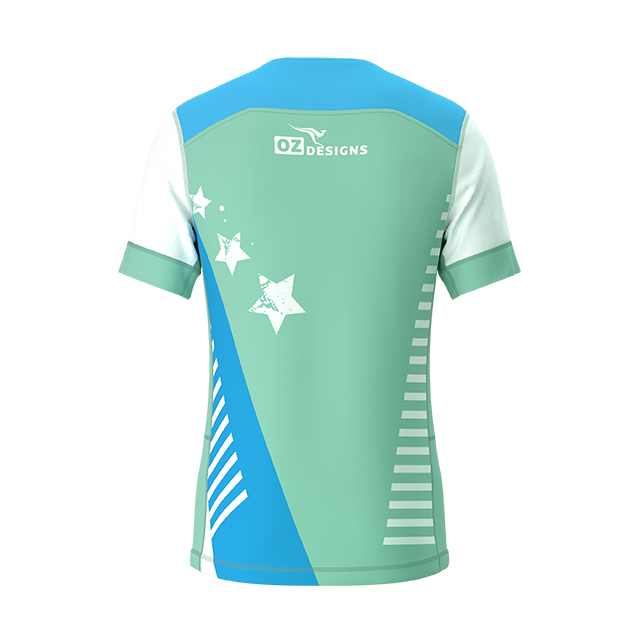
Modern fabrics balance pure strength with flexibility. We look at high-denier polyester for its incredible abrasion resistance. Higher denier ratings mean thicker, more durable individual fibers. However, pure polyester remains too stiff for athletic mobility. Manufacturers must blend it with elastane or spandex. This ratio dictates the stretch recovery of the garment. Too little elastane causes the jersey to remain permanently stretched. Too much elastane compromises the structural integrity under pulling forces. An optimal blend ensures the fabric stretches under load and snaps back quickly.
The actual weaving process matters just as much as the yarn. Advanced ripstop integrations prevent small snags from expanding. Ripstop weaves incorporate thicker reinforcement threads at regular intervals in a crosshatch pattern. These thicker threads stop tears from cascading across the panel. Tightly bound micro-mesh also plays a critical role. Micro-mesh offers essential breathability while maintaining high structural density. It prevents opposing fingers from snagging the fabric during a tackle. We advise teams to prioritize these specialized weave patterns for maximum longevity.
Grams per Square Meter (GSM) measures fabric density and weight. Heavy winter-weight fabrics offer incredible durability. However, they retain too much heat and cause player fatigue. Extremely lightweight fabrics excel at moisture management but rip easily during tackles. Modern technical fabrics sit in a specific mid-weight sweet spot. They maintain structural integrity without sacrificing crucial moisture management. We use GSM to evaluate whether a garment fits your regional climate and physical demands.
Category | GSM Range | Durability Profile | Best Application |
|---|---|---|---|
Lightweight | 150 - 200 | Low tear resistance | Touch rugby, non-contact training |
Mid-Weight (Technical) | 220 - 280 | Excellent balance of strength and stretch | Professional match day gear |
Heavyweight | 300 - 350+ | Extreme abrasion resistance | Cold weather forward packs, legacy kits |
Seams often represent the weakest point of any athletic garment. Flatlock stitching changes this dynamic completely. These specialized stitches lie perfectly flat against the athlete's skin. This profile prevents chafing during repetitive running motions. More importantly, flatlock seams offer superior stretch under heavy loads. Traditional overlock stitches stack fabric edges on top of each other. Overlock seams snap easily when pulled sideways. Flatlock seams distribute the pulling force across a wider surface area. They move dynamically with the fabric panels during extreme motion.
Manufacturers must reinforce high-stress anchor points. We identify collars, underarms, and side splits as critical failure zones. Strategic bar-tacking prevents blowouts in these specific areas. Bar-tacking uses tightly concentrated zig-zag stitching. This dense thread cluster absorbs and dissipates kinetic shock. When a defender grabs a collar, the bar-tack takes the initial force. It stops the primary seam from unraveling under pressure. Professional Rugby Wear always features visible bar-tacking at these vulnerable junction points.
Even the best fabric fails if the thread snaps. Industrial-grade synthetic threads remain mandatory for contact sports. Bonded nylon offers exceptional tensile strength and resists abrasion. Core-spun polyester provides a vital mix of durability and elasticity. The thread elasticity must closely match the fabric elasticity. Rigid threads snap when the surrounding fabric stretches during a tackle. We always evaluate the thread composition when auditing apparel samples. High-quality synthetic threads prevent catastrophic mid-match seam failures.
Never rely on vague marketing claims about durability. You should look for manufacturers referencing objective textile testing. Industry standards like ISO or ASTM provide reliable benchmarks. These standards test specifically for seam slippage and burst strength. Burst strength measures how much pressure the fabric handles before rupturing. Seam slippage testing ensures the yarns do not separate at the stitch line. Ask your potential vendors for their standardized testing results. Transparent suppliers gladly share these technical specifications with procurement managers.
Resistance to tearing represents only half the durability equation. Fabric returning to its original shape proves just as crucial. Poor stretch recovery leads to permanently baggy garments. Baggy jerseys give opponents an easy, unyielding grip advantage. A defender easily secures a tackle if the fabric hangs loosely. High-quality fabrics snap back tightly against the body after being pulled. We test this recovery rate to ensure the jersey maintains its anatomical fit over an entire season. Good recovery prevents the fabric from degrading over time.
Custom team designs require careful printing methods. Traditional heavy screen-printing degrades the fabric over time. Thick ink layers stiffen the material and cause localized cracking. High-quality dye sublimation solves this structural problem. Sublimation integrates color directly into the molecular structure of the fibers. The fabric retains its original tensile strength and stretch properties. Sublimated designs never peel, crack, or compromise garment integrity. It represents the only acceptable customization method for high-contact athletic gear.
Many clubs fall into the trap of over-specifying durability. We call this the armor fallacy. Demanding overly thick fabrics restricts natural player mobility. Heavy, stiff garments cause rapid overheating during intense play. Heat retention directly reduces player stamina and reaction times. Optimal gear requires balancing tensile strength with dynamic agility. You must avoid turning your team's uniform into a heavy restriction. The modern game demands speed just as much as physical toughness. Choose materials that protect without hindering athletic performance.
Garment fit directly influences actual lifespan on the pitch. A tighter, more anatomical fit reduces grab-points for tacklers. Fewer grab-points inherently decrease the frequency of violent fabric pulling. This naturally increases the garment's functional lifespan. However, adopting a tight fit requires precise sizing rollouts for the whole team. Ill-fitting tight jerseys restrict breathing and cause discomfort. You must invest time in accurately measuring every player. A proper fit balances friction reduction with comfortable mobility.
Cheaper custom orders often hide significant implementation risks. We frequently see inconsistent fabric batches from unreliable suppliers. One batch feels highly durable, while the next tears easily. These inconsistencies ruin team confidence and complicate replacement orders. You must emphasize the need for rigorous pre-production samples. Request a physical sample from the exact fabric roll intended for your bulk order. Factor in longer lead times to accommodate this vital quality assurance step. Rushing the order usually results in receiving sub-standard batches.
Physical evaluation remains the best way to audit a vendor. You should perform manual stress tests on any received sample before ordering.
Pull the fabric firmly in four distinct directions to assess dynamic stretch.
Release the fabric quickly and observe the exact stretch recovery speed.
Tug aggressively on the underarm and collar seams to check for slippage.
Inspect all major junction points for the presence of dense bar-tack stitching.
Rub the exterior surface against a rough texture to evaluate basic abrasion resistance.
These simple tests quickly reveal poor manufacturing standards. They empower you to make data-driven purchasing decisions.
You must clearly navigate vendor guarantees before signing contracts. Understand the explicit difference between structural defects and match-play wear-and-tear. An unraveling collar seam after two washes indicates a clear structural defect. A tear caused by a metal cleat stud represents standard match-play damage. Reliable vendors offer strong warranties covering all manufacturing defects. Clarify these boundaries early in the negotiation process. Clear terms prevent disputes when you eventually need replacement garments.
Preparation prevents costly bulk ordering mistakes. Finalize your team size charts using the vendor's specific measurement guides. Lock in all technical specifications in writing. Document the required fabric blend, GSM weight, and mandatory seam types. Request a final pre-production sample featuring these exact specifications. Approve the bulk club order only after physically verifying this final sample. This disciplined approach guarantees you receive exactly what you paid for.
Evaluating durable apparel serves as a direct investment in your team's match performance and safety.
Objective testing frameworks prevent budget leaks caused by constant mid-season uniform replacements.
Always prioritize vendors who remain fully transparent about their specific thread choices and manufacturing processes.
Demand physical samples to verify stretch recovery, flatlock seaming, and fabric weight before committing to bulk orders.
Locking in technical specifications ensures your players receive gear capable of surviving the harshest rugby conditions.
A: The ideal weight typically falls between 220 and 280 GSM. This mid-weight sweet spot provides an excellent balance. It offers sufficient tensile strength to survive aggressive tackles. Simultaneously, it remains light enough to manage moisture and prevent player overheating during intense professional matches.
A: Modern jerseys generally require a blend containing 5% to 15% elastane or spandex. This specific ratio ensures adequate dynamic stretch under heavy pulling loads. It also guarantees rapid shape recovery, preventing the fabric from remaining loose and giving opponents an easy grip.
A: Yes, but repairs often compromise original structural integrity. You can sew up a minor tear for temporary training use. However, a repaired flatlock or bar-tack seam rarely regains its initial burst strength. We recommend replacing torn match-day garments to ensure player safety and performance.
A: Traditional raised collars provide defenders with prominent grab-points during tackles. Flat collar designs sit flush against the neck and collarbone. This anatomical profile drastically reduces leverage for the opposition. It minimizes handholds, inherently increasing the garment's lifespan and improving player safety.
A: High-quality dye sublimation greatly improves garment longevity compared to traditional screen-printing. Sublimation embeds ink directly into the fabric fibers. It never adds heavy, stiff layers to the exterior. This process maintains the fabric's natural flexibility, tensile strength, and crucial stretch recovery properties.


