
Views: 0 Author: Site Editor Publish Time: 2026-08-14 Origin: Site


Bulk ordering team apparel involves incredibly high stakes for any sports organization. Choosing the wrong fabric quickly wastes your club budget on unwearable gear. Poor material choices also restrict player mobility during crucial tournament matches. You cannot afford to make blind decisions when outfitting an entire roster.
Badminton requires rapid lunges, deep overhead extensions, and intense sweat management. Standard off-the-shelf activewear routinely fails these highly specific mechanical demands. Generic synthetic shirts trap heat, cling to the skin, and limit your natural range of motion on the court. Players lose their competitive edge when their uniforms fight against their bodies.
We created this objective framework to help club managers properly evaluate materials. You will discover exactly how to verify print longevity and implement smart sizing strategies. Our guide empowers you to assess vendor reliability before you finalize your next bulk apparel order. Read on to master the custom uniform design process and protect your investment.
Fabric matters most: Prioritize lightweight, moisture-wicking polyester blends (130–150 GSM) engineered for multi-directional stretch.
Sublimation is the standard: For longevity and uncompromised breathability, dye-sublimation outperforms screen printing or vinyl heat transfers.
Sizing requires strategy: Standardized sizing charts are risky for diverse teams; physical sizing samples or detailed measurement protocols mitigate costly fit errors.
Badminton asks a lot from your body during a competitive match. You execute explosive overhead smashes. You perform deep defensive lunges to reach fast drop shots. These movements require extreme shoulder and torso articulation. Your clothing must stretch dynamically to accommodate these actions. Rigid fabrics resist your movement constantly. They force your muscles to work harder and accelerate player fatigue. We must select materials engineered for this exact biomechanical reality.
Standard cotton has no place on a badminton court. The industry standard relies heavily on 100% micro-polyester. Many professional clubs also prefer Poly-Spandex blends. These premium blends usually contain 8% to 12% Spandex. Spandex provides essential multi-directional stretch for aggressive lunging. It helps the garment retain its original shape after intense rallies.
Micro-polyester excels at moisture management through capillary action. The fabric pulls sweat away from your skin immediately. It pushes this moisture to the outer garment layer for quick evaporation. Players stay dry, light, and comfortable throughout a grueling three-game match.
You must always check the Grams per Square Meter (GSM) rating. We strongly recommend a GSM range strictly between 130 and 150. This specific density perfectly balances durability against overheating.
Below 130 GSM: These fabrics tear easily during aggressive play. They often become transparent when heavily saturated with sweat.
130 to 150 GSM: This is the sweet spot. It provides structural integrity while maximizing airflow.
Above 150 GSM: These materials feel entirely too heavy. They retain excess heat and drag the player down during long matches.
Avoid heavy cotton blends at all costs. Cotton absorbs sweat like a sponge. It becomes heavy and clings stubbornly to your body. Unventilated synthetic plastics pose similar risks. They trap body heat entirely. This creates a dangerous microclimate against your skin. Always demand verified moisture-wicking synthetic blends from your suppliers. Best practice dictates requesting a physical fabric swatch before you sign any purchase order. You can stretch the swatch manually to test its memory retention.
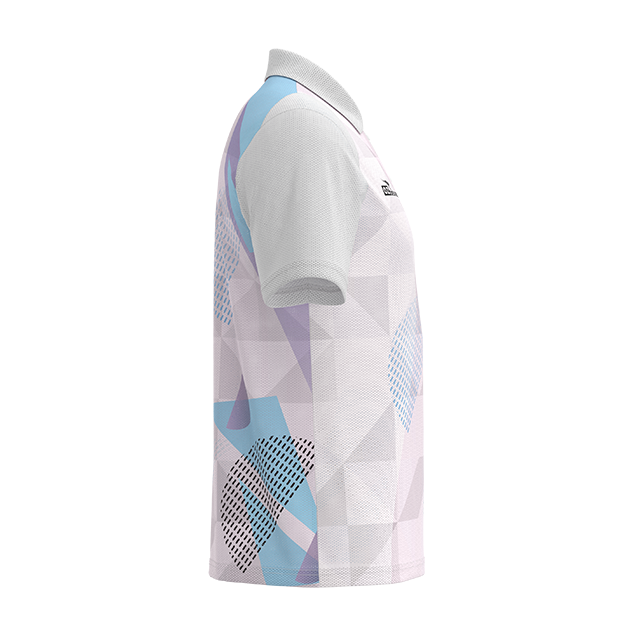
Printing methods dictate how long your uniforms will actually survive. We highly recommend dye-sublimation for any custom Badminton Jersey. Sublimation uses extreme heat to turn solid ink into a gas. This gas bonds permanently into the polyester fabric fibers. The ink becomes part of the material itself rather than sitting on top.
This modern method adds zero weight to the garment. It maintains the fabric's natural breathability perfectly. Sweat escapes easily through the printed logo areas. Sublimated designs remain completely immune to cracking. They never peel or fade over time. You can wash them repeatedly at high temperatures without losing color vibrancy. The colors stay sharp even after a full season of heavy use.
Traditional methods carry significant functional risks for court sports. Screen printing applies a thick layer of rubberized ink on top of the fabric. Vinyl heat transfers essentially glue a piece of plastic to the shirt. Both methods ruin the performance aspect of the garment.
Heavy logos block critical airflow. They create localized heat zones on your chest and upper back. Players sweat excessively under these dense printed areas. Furthermore, court friction degrades these surface prints quickly. Repeated washing causes the logos to crack, flake, and peel off. Your team uniforms will look unprofessional and cheap within just a few months.
We created a simple comparison to justify the investment in sublimation. Review these factors before choosing your print method.
Chart: Print Method Comparison Summary
Feature | Dye-Sublimation | Screen Printing | Vinyl Heat Transfer |
|---|---|---|---|
Breathability | Excellent (Zero blockage) | Poor (Traps heat) | Poor (Plastic barrier) |
Added Weight | None | Noticeable on large logos | Heavy |
Durability | Will not crack or peel | Cracks after frequent washing | Peels from heat and friction |
Color Vibrancy | Permanent and fade-resistant | Fades over time | Maintains color but edges lift |
Club managers face a difficult reality during the ordering process. You must order apparel for vastly different body types. A single standardized sizing chart rarely works for an entire club. Your roster includes men, women, and junior players. Each demographic requires specific tailoring to ensure comfort and mobility.
Unisex sizing is a dangerous myth in sportswear. A unisex medium often fits awkwardly on female athletes. It typically runs too broad in the shoulders and too tight across the hips. You must find vendors who offer distinct male, female, and youth cuts. Properly articulated cuts ensure everyone feels confident stepping onto the court.
Pay close attention to the sleeve construction. Raglan sleeves offer superior mobility compared to standard drop-shoulder cuts. Raglan sleeves extend in one piece fully to the collar. This design allows seamless overhead extension for jump smashes.
Gusseted underarms provide another massive advantage. A gusset inserts a diamond-shaped piece of fabric in the armpit area. This prevents the shirt from riding up entirely during aggressive upward strokes. Your players stay focused on the game instead of constantly tugging at their clothes.
Do not rely blindly on generic online sizing charts. Vanity sizing plagues the apparel industry. A "Large" from one vendor might measure identically to a "Medium" from another. We recommend a strict verification process to eliminate costly errors.
Request Physical Sizing Kits: Ask your chosen vendor to mail a full run of blank sample sizes.
Conduct a Fitting Session: Have every team member physically try on the samples before you submit the final roster numbers.
Measure Flat-Lay Dimensions: If physical samples are unavailable, ask the vendor for a flat-lay dimension chart.
Compare Existing Gear: Instruct players to measure a comfortable sports shirt they already own. They should measure chest width across the front and total vertical length.
Account for Preferences: Some players prefer a tight, aerodynamic fit. Others want a loose, relaxed drape. Note these preferences next to their measurements.
Designing a custom uniform requires more than just picking your favorite colors. You must approach the visual strategy with specific court environments in mind. A well-designed kit intimidates opponents and unites your roster.
Color selection directly impacts team visibility during fast-paced rallies. You must contrast your uniforms against standard court backgrounds. Most professional and club badminton courts feature dark green or blue flooring. Shuttlecocks are universally white or neon yellow.
Avoid Camouflage: Do not use solid green or blue as your primary chest color. You will blend into the floor during diving returns.
Avoid White Chests: A solid white chest makes the white shuttlecock harder for your doubles partner to track against your body.
Use Bold Contrasts: Incorporate dark or vibrant primary colors like red, black, or deep purple.
Utilize Side Panels: Add contrasting side panels to create a slimming, athletic silhouette.
Sponsor logos require strategic placement to maximize visibility without looking cluttered. Put your primary club logo on the left chest over the heart. Place primary sponsor logos squarely on the center chest. Place secondary partner logos on the sleeves or the upper back yoke. Keep the lower back entirely clear for player names and numbers.
Teams competing in official tournaments must respect strict design rules. The Badminton World Federation (BWF) and local leagues enforce rigid sizing regulations. They limit the specific height of player lettering. They restrict the maximum square centimeter area of sponsor logos. A referee can disqualify your players if logos exceed these limits. Always verify your local league rulebook before approving the final digital proof.
The collar impacts both player comfort and club aesthetic. You generally have three main options.
Standard Crew Neck: Offers a modern, clean, and highly athletic look. It minimizes fabric around the throat.
V-Neck: Provides slightly better airflow around the upper chest. It prevents any feeling of restriction around the Adam's apple.
Polo or Mandarin Collar: Delivers a premium, traditional aesthetic. It looks incredibly professional but can trap slightly more heat.
Ensure the collar fabric uses high-stretch elastic. Players hate struggling to pull a tight, rigid collar over their heads before a match.
You must evaluate the logistical reliability of your chosen manufacturer. A great design means nothing if the shirts arrive three weeks after your season begins. Club managers must look closely at vendor policies and transparency.
Many vendors advertise an incredibly attractive base price to grab your attention. However, they bury steep hidden fees deep in the fine print. You must identify suppliers who offer clear, transparent pricing structures.
Ask about digitizing and setup costs upfront. Some manufacturers charge a separate fee for every single logo adjustment. They might charge extra for adding individual player names. Reliable partners include basic design services in their initial quote. They provide unrestricted digital proofs before production begins. Ensure you receive a final invoice estimate that includes taxes and shipping before committing.
Club rosters fluctuate constantly. New players will inevitably join your team mid-season. You will need to order extra shirts months after the initial bulk purchase. You must evaluate the vendor’s policy on small reorders.
Negotiate low minimums for future purchases. Some vendors demand a 10-piece minimum for every order. This forces you to buy unneeded stock just to outfit one new player. A flexible supplier ensures every new member receives a matching Badminton Jersey quickly. Look for vendors who offer single-unit reorders for established club accounts.
Set highly realistic expectations for your club members. Custom sublimation requires significant manual production time. It is not an overnight process. Expect a standard window of three to six weeks from final design approval to delivery.
International shipping adds extra days to this timeline. Always ask the vendor for their current production lead time. Add a two-week buffer to their estimate. Align your order schedule perfectly with your season start dates to avoid unnecessary panic.
Follow a logical, step-by-step shortlisting framework to guarantee success. First, request a physical fabric sample from two or three vendors. Second, verify the material stretch and GSM in person. Third, request a full sizing kit from your top choice. Fourth, approve the digital proof carefully. Check that they used CMYK color codes rather than RGB to ensure print accuracy. Finally, place your bulk order with absolute confidence.
A well-designed custom jersey acts as a powerful investment for your club. It builds a strong team identity and directly enhances on-court athletic performance. You cannot afford to cut corners on fabric selection or fit verification. Keep these critical takeaways in mind as you move forward.
Always prioritize 130-150 GSM moisture-wicking polyester blends. Demand true dye-sublimation to prevent ugly cracking and peeling over time. Protect your budget by verifying measurements using physical sizing kits instead of generic charts. Finally, choose reliable vendors who offer transparent pricing and low minimums for future roster additions.
Take action today to upgrade your team gear. Reach out to a vetted supplier immediately. Request a fabric sample, order a physical sizing kit, or ask for a preliminary digital mockup. Your players dedicate hours to training. They deserve uniforms engineered specifically for victory.
A: The ideal fabric is 100% moisture-wicking micro-polyester or a Poly-Spandex blend. Blends containing 8% to 12% Spandex offer excellent multi-directional stretch. This material easily handles extreme overhead lunges. It pulls sweat away from the body to keep players dry. Always aim for a fabric weight strictly between 130 and 150 GSM.
A: Sublimation uses heat to bond ink directly into the fabric fibers. It adds zero weight and maintains full breathability. Screen printing applies a heavy layer of plastic ink on top of the shirt. This heavy ink traps body heat and blocks critical airflow. Screen prints also crack and peel after repeated washing.
A: Never rely exclusively on generic online sizing charts. We highly recommend requesting physical sizing kits from your chosen vendor. Have each player try on the sample shirts. If physical samples are unavailable, use a flat-lay measurement strategy. Compare the vendor's dimensions against a comfortable sports shirt you already own.
A: Yes, you can order additional units, but policies vary significantly by vendor. You must ask about Minimum Order Quantities (MOQs) before placing your first bulk order. Negotiate low or zero-MOQ terms for future reorders. This ensures new club members receive matching gear quickly without paying exorbitant single-unit surcharge fees.


