
Views: 0 Author: Site Editor Publish Time: 2026-06-10 Origin: Site


High-level play at the net requires absolute focus and zero physical distractions. In beach volleyball, your gear is heavily tested by abrasive sand, relentless sweat, corrosive saltwater, and intense multidirectional movement. These elements demand highly specialized apparel to keep you agile. While aesthetic trends heavily dominate social media feeds today, bottom-line athletic performance relies entirely on meticulous structural design. Standard activewear often fails in these harsh outdoor environments. It leads to severe chafing, dangerous overheating, or constant readjustment during a crucial match. Evaluating a truly high-performance Beach Volleyball Jersey requires looking past an embroidered brand logo. You must thoroughly examine technical fabric composition, precise cut geometry, and long-term environmental durability. This analytical approach helps you make a confident purchasing decision. By prioritizing these specific engineering elements, you ensure your apparel acts as specialized athletic equipment. You will step onto the sand fully prepared to dominate.
Standard activewear fails on the sand: Dedicated beach volleyball apparel requires specialized sand-shedding and UV-resistant fabric blends.
Cut geometry dictates performance: True range-of-motion depends on targeted armhole construction and stay-put hems that prevent wardrobe malfunctions during diving and blocking.
Durability requires specific care: Premium spandex/polyester blends are susceptible to degradation from sunscreen and saltwater without proper maintenance.
Compliance matters: Competitive players must verify that their chosen gear aligns with local tournament or FIVB/NCAA uniform regulations.
Outdoor courts present unique environmental challenges. You cannot expect indoor gym clothes to perform well under these conditions. The combination of sweat, abrasive sand, and direct sunlight creates a hostile environment for standard fabrics.
Consider the friction multiplier effect. When you sweat in standard cotton or basic polyester blends, the fabric holds that moisture. Wet fabric then traps micro-grains of sand. This combination quickly turns your clothing into sandpaper. You will experience severe chafing across your shoulders, underarms, and torso. Chafing destroys your concentration. It visibly reduces your mobility during long tournament days.
Moisture retention carries another major risk. General workout clothes absorb water and hold it stubbornly. This retained moisture adds dead weight to your frame. It negatively impedes your vertical leaps at the net. It heavily restricts your lateral quickness when diving for a dig. You expend extra energy simply carrying wet fabric.
This reality builds a strong case for specialized gear. Investing in purpose-built equipment solves these exact environmental challenges. Designers engineer sand-specific apparel to shed particles instantly. They utilize hydrophobic materials to push moisture away from your skin. You stay lighter, cooler, and completely free from friction injuries. Purpose-built gear transforms how you experience outdoor, sand-based play.
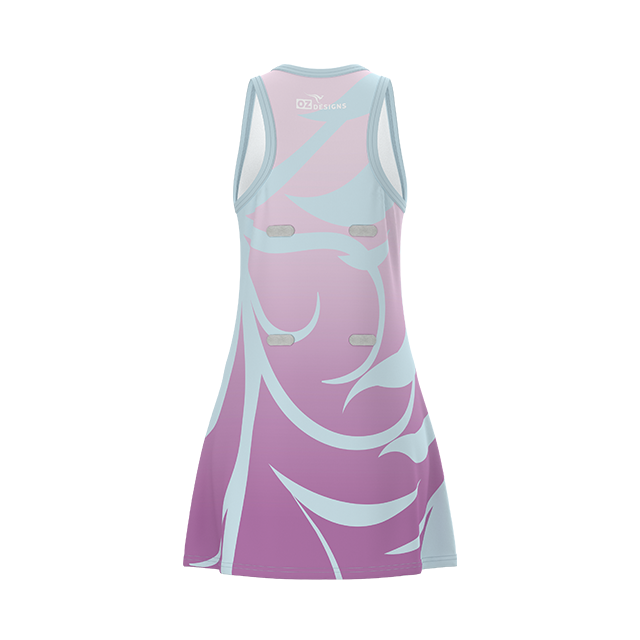
Finding the right top requires analyzing material science. The foundation of any high-quality Beach Volleyball Jersey lies in its exact fabric composition. You must look for specific textile ratios.
Optimal material blends rely on high-grade polyester and elastane. Elastane is commonly known as spandex. You should source an 80/20 or 85/15 ratio of polyester to elastane. This exact balance provides ideal compression. It offers exceptional four-way stretch. It guarantees excellent shape retention even after hours of aggressive movement. Too much polyester restricts your swing. Too much elastane causes the garment to sag prematurely.
You must also evaluate sand-shedding weaves. Manufacturers achieve this through incredibly tight-knit textile constructions. A tight weave prevents micro-grains of sand from embedding between the individual fibers. When you dive into the sand, a quick shake clears the fabric completely. Loose weaves trap sand permanently.
Thermoregulation and UPF ratings act as critical safety features. Built-in UPF 50+ protection remains non-negotiable for outdoor players. It blocks harmful UV rays effectively. You avoid severe sunburns during all-day summer tournaments. Furthermore, advanced moisture-wicking technology actively dictates your core body temperature. It pulls sweat to the garment's surface for rapid evaporation. You stay reliably cool under direct, punishing sunlight.
Evaluation Metric | Standard Activewear | Purpose-Built Volleyball Apparel |
|---|---|---|
Fabric Blend | Cotton/Poly mix (low stretch) | 80% Polyester / 20% Elastane |
Sand Resistance | Poor (loose pores trap sand) | Excellent (tight weave sheds sand) |
UV Protection | Variable / Unrated | UPF 50+ Rating Standard |
Moisture Control | Retains heavy sweat weight | Rapid hydrophobic wicking |
A flawless fit balances extreme mobility with absolute security. You perform explosive movements continuously. Your apparel must support these mechanics without fail. Cut geometry directly influences your success on the court.
Consider your overhead extension requirements. You swing aggressively during every serve and spike. We analyze armhole drops carefully. Racerback or cross-back designs allow complete 360-degree shoulder rotation. They prevent fabric from bunching near your shoulder blades. You experience zero resistance during your arm swing.
Security demands a reliable "stay-put" guarantee. Nobody wants a wardrobe malfunction while blocking at the net. You must evaluate the inclusion of silicone grip bands along the hems. Wide underbust bands provide an essential anchor point. Proper compression levels ensure the jersey remains flush against your skin. It stays totally secure during diving digs and aggressive spikes.
Silicone Grip Hems: They gently adhere to your skin to prevent the fabric from riding up.
Wide Underbust Bands: They distribute tension evenly across your ribcage for superior support.
Targeted Compression: It reduces wind drag and holds the garment firmly in place.
Seam construction requires equal scrutiny. Flatlock or seamless designs remain necessary in high-friction areas. These areas include the underarms and shoulder crests. Traditional raised seams rub aggressively against moving skin. Flatlock seams lay perfectly flat. They prevent skin irritation and bleeding over long, physically demanding tournament days.
Looking good matters, but following the rules matters more. As you transition from recreational games to sanctioned competitive play, uniform compliance becomes mandatory. You must navigate these regulations carefully.
Competitive uniform regulations dictate specific sizing and logo placement guidelines. Organizations like the AVP, FIVB, and NCAA enforce strict rules. They limit the dimensions of sponsor logos. They mandate matching team colors and specific numbering formats. You must verify these guidelines before purchasing team sets. Non-compliant gear results in immediate tournament disqualification.
Visual contrast impacts performance directly. Color choices affect both team visibility and heat retention. Light fabrics reflect solar radiation. They keep your core temperature down. Dark fabrics absorb heat rapidly. They increase your sweat rate under direct sunlight. However, high-contrast neon colors improve peripheral visibility. Your partner can spot you faster during chaotic scramble plays.
You must filter out social media trends. Influencers often promote impractical cutouts or bulky fabric knots. These trends severely compromise athletic safety. Cutouts expose unexpected patches of skin to severe sunburn. Bulky knots create painful pressure points when you dive on your chest. You must always prioritize aerodynamic movement over fleeting fashion trends.
Premium athletic apparel represents a financial investment. You must protect this gear from rapid environmental degradation. The beach environment constantly attacks synthetic fibers.
The sunscreen and saltwater threat requires serious attention. Chemical UV filters found in heavy sunscreens actively break down elastane fibers. High salt concentrations from the ocean accelerate this damage. Over time, this chemical reaction destroys the garment's elasticity. It causes severe sagging and a total loss of supportive compression.
You can prevent this through strict washing protocols. Actionable maintenance steps extend the life of your gear significantly.
Rinse immediately: Execute a cold water rinse right after your post-game cool down to remove salt and sweat.
Wash gently: Use a mild sports detergent in cold water on a delicate cycle.
Avoid softeners: Never use liquid fabric softeners. They clog the moisture-wicking pores permanently.
Air dry appropriately: Always lay the garment flat to dry in a shaded area. High heat destroys spandex.
You must establish realistic lifespan expectations. Even with perfect care, a high-frequency player will degrade a jersey eventually. Most premium tops lose their structural integrity after one to two full competitive seasons. You should require replacement once the underbust band loses its tight snap. Playing in stretched-out gear compromises your on-court focus.
Your ultimate choice depends heavily on how and where you play. Different athletes require different features. You must align your purchase with your specific reality.
Recreational players should focus on comfort first. You want moderate compression. You need versatile designs that transition easily from the volleyball court to the water. A slightly relaxed fit offers better breathability during casual weekend games. You can prioritize vibrant patterns and comfortable shoulder straps.
Competitive athletes must prioritize ultimate performance. You need maximum compression to eliminate wind drag. You require ultra-lightweight technical fabrics. You must ensure strict regulatory compliance for official tournaments. Performance athletes sacrifice casual comfort for locked-in security.
Here is a simplified chart to guide your feature prioritization based on player type:
Player Category | Primary Focus | Compression Level | Key Design Features |
|---|---|---|---|
Recreational Player | Comfort & Versatility | Moderate / Relaxed | Easy water transitions, breathable knits |
Competitive Athlete | Performance & Security | Maximum / Locked-in | Silicone grips, regulatory compliance |
Take immediate action on your next steps. Measure your bust and underbust accurately with a soft tape measure. Cross-reference these numbers with brand-specific sizing charts carefully. Compression gear fits completely differently than standard casual sizes. Never assume your normal t-shirt size applies here. Always prioritize fabric specifications and technical fit over mere aesthetics.
A quality beach volleyball top functions as essential athletic equipment. It fundamentally impacts your physical comfort, cardiovascular stamina, and mental focus on the court. Treating it as a mere fashion accessory leads to poor performance and constant distraction. You must demand more from your gear.
Base your final decision on three critical pillars. First, verify the material composition for optimal stretch and sand resistance. Second, ensure flawless overhead mobility through smart strap geometry. Third, demand stay-put security to survive aggressive dives. By following this framework, you ensure your apparel works actively with your game, not against it. You will hit the sand ready to compete at your absolute best.
A: Yes. A snug, compression-style fit is required to prevent sand entry, reduce drag in the wind, and ensure the garment stays secure during dynamic movements and dives.
A: Look for blends heavily featuring lightweight, tightly woven polyester with at least 15% spandex/elastane. Avoid nylon, which holds more heat, and absolutely avoid cotton.
A: Evaluate options with a longer torso cut, an elasticized or silicone-lined bottom hem, and a structured racerback design that distributes tension evenly across the shoulders rather than pulling from the bottom.


