
Views: 0 Author: Site Editor Publish Time: 2026-08-14 Origin: Site


Standard athletic wear transforms into a heavy, abrasive liability the moment sweat and sand mix. You dive for a crucial dig. Suddenly your shirt feels like wet sandpaper. Players often underestimate this environmental tax. Beach volleyball athletes operate in extreme micro-climates. They face prolonged UV exposure. They endure punishing high humidity. They battle the constant friction of abrasive sand. Ordinary fabrics buckle under these conditions. They trap heat rapidly. They absorb heavy moisture. They invite severe skin chafing. Transitioning to a purpose-built Beach Volleyball Jersey solves these environmental challenges through specific textile engineering. This guide breaks down the essential technical features required to evaluate and select professional-grade gear. You will discover exactly how to identify apparel genuinely supporting your peak on-court performance.
UPF 50+ is non-negotiable: Purpose-built fabrics provide consistent baseline UV defense without the degradation seen in sweat-compromised sunscreens.
Moisture management dictates mobility: Hydrophobic synthetic blends (Polyester/Spandex) prevent water-logging, maintaining a lightweight feel even in high-humidity environments.
Sand-resistance relies on construction: Tighter textile weaves and flatlock stitching are essential to prevent micro-grains from embedding and causing severe chafing.
Fit defines function: Evaluating a jersey requires matching the cut (compression vs. semi-fitted) to the athlete's shoulder mobility needs and sand-entry risks.
The "Sandpaper Effect" aggressively destroys skin. Standard cotton tees spell immediate trouble. Loose gym shirts also cause massive problems. Cotton fibers swell as you sweat. Loose-weave synthetics feature large microscopic gaps. These structures trap sand grains effortlessly. You dive for a ball. You execute a complex blocking maneuver. Trapped sand rubs directly against your skin. This creates severe friction points. Players frequently experience painful rashes. These rashes appear mostly across the chest and shoulders. Your ordinary gym shirt becomes an abrasive weapon against your own body.
Weight retention heavily destroys your mobility. Traditional materials absorb moisture rapidly. They do not wick it away. Sweat builds up fast during a heated match. An ordinary shirt acts exactly like a sponge. It holds onto ounces of heavy water. This performance tax drags you down physically. A soaked garment restricts your vertical jumping ability. Heavy fabric clings to your torso. It compromises your lateral agility. You struggle when changing directions quickly in deep sand.
Thermal inefficiency severely ruins stamina. Standard activewear lacks intelligent airflow mapping. A proper Beach Volleyball Jersey vents core heat efficiently. Ordinary clothes fail miserably here. They block natural cooling breezes. Simultaneously, they fail to block direct sunlight. You overheat extremely quickly. Core body temperatures spike rapidly. Your stamina drops significantly before the first set even ends.
UPF protection differs significantly from topical defense. You cannot rely solely on sunscreen. SPF measures chemical or mineral defense applied to your skin. It washes away as you sweat. It rubs off quickly in the sand. UPF measures clothing structural protection against ultraviolet radiation. A physical fabric barrier provides continuous defense. It remains entirely intact during multi-hour tournament play.
A UPF 50+ rating blocks 98% of UVA and UVB rays. This metric directly translates to delayed physical fatigue. Your body expends less energy fighting intense heat stress. You drastically reduce your sunburn risks. You also lower your reliance on re-applying greasy topical sunscreens. Greasy skin attracts sand like a strong magnet. Keeping sunscreen application minimal improves your overall comfort. A high-quality garment handles the sun defense reliably for you.
Assessing UPF longevity requires careful label reading. Not all protective gear acts equally. Cheap garments use temporary chemical UV washes. These topical treatments degrade quickly after multiple laundry cycles. Premium apparel relies purely on inherent structural protection. Tightly-woven textile yarns physically block the sun. This mechanical protection lasts the entire lifetime of the garment. You should always verify inherent UV resistance. Avoid applied chemical coatings whenever possible.
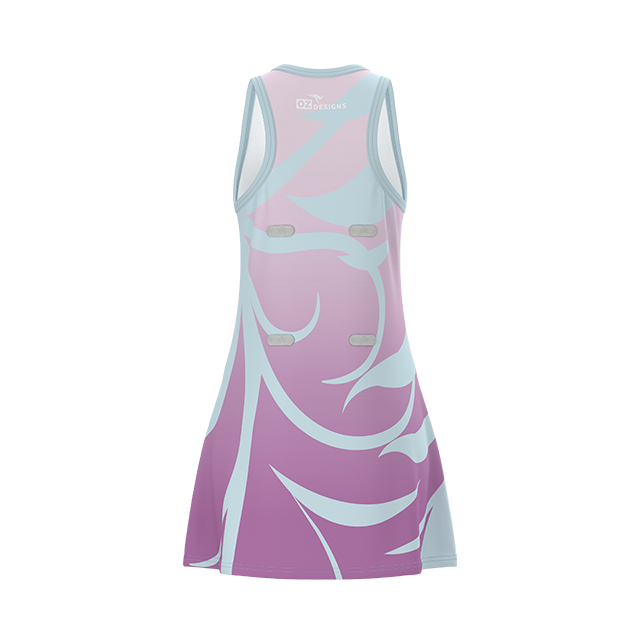
Moisture-wicking dynamics rely purely on capillary action. High-performance fabrics pull sweat away from your skin. They push it to the exterior surface of the garment. Once exposed to the air, moisture evaporates rapidly. This dynamic physical process keeps you perfectly dry. It prevents the fabric from clinging stubbornly to your torso. It maintains a highly lightweight feel throughout your toughest matches.
Climate-specific engineering matters immensely on the court. High-humidity zones demand highly specialized gear. Playing a coastal summer tournament in Miami feels oppressive. The air is already heavily saturated. Sweat evaporates much slower under these humid conditions. You need highly hydrophobic fabrics. These textiles actively repel water. Dry-heat environments offer much faster natural evaporation. Sticky coastal climates require aggressive, fast-drying textile engineering. This specific architecture prevents severe water-logging.
Industry standards dictate an ideal material matrix. Elite gear typically combines specific synthetic percentages. Manufacturers blend 80-90% polyester alongside 10-20% spandex. Polyester delivers excellent durability. It handles extreme moisture management perfectly. Spandex provides essential four-way stretch. This elasticity ensures entirely unrestricted shoulder rotation. You can spike the ball powerfully. You can serve aggressively. You never feel pinched across your back. This specific ratio represents the absolute industry standard for elite players.
Fabric Performance Metric Overview
Metric | Standard Cotton Wear | Elite Synthetic Blend |
|---|---|---|
Moisture Retention | High (Absorbs sweat heavily) | Low (Hydrophobic and wicking) |
Dry Time | Slow (Remains damp for hours) | Rapid (Evaporates continuously) |
Sand Resistance | Poor (Fibers trap grains) | Excellent (Tight weave blocks sand) |
High-density fabric weaves remain critically important. Sand grains are tiny but incredibly sharp. Loosely knit gym shirts allow these particles inside. The grains slip between the threads quite easily. Once inside the garment, they act exactly like miniature razor blades. High-density weaves solve this specific issue. Tightly knit textiles create a strong physical barrier. They prevent micro-sand particles from penetrating the garment structure entirely. You stay incredibly comfortable during intense defensive plays.
Seam architecture heavily dictates your comfort level. Traditional raised seams act as aggressive sand traps. They create bulky ridges along your sides. They sit heavily on your shoulders. During defensive dives, these ridges become primary chafing vectors. Flatlock stitching eliminates this frustrating hazard. Ultrasonically welded seams offer an even smoother finish. They lie perfectly flat against your skin. This seamless profile leaves zero space for sand. It dramatically reduces friction injuries over time.
The armhole and neckline cut must fit precisely. Finding the perfect cut requires careful balance. A loose neckline scoops up sand whenever you dive. A restrictive armhole pinches your rotator cuff during overhead swings. Semi-fitted cuts offer the best overall compromise. They sit close enough to minimize sand entry points. Simultaneously, they maintain zero-restriction clearance. You perform repetitive overhead serving easily. Proper tailoring respects a volleyball player's unique mobility demands.
Inspect all inner seams before purchasing your gear.
Ensure the neckline sits flat against your collarbone.
Test armhole stretch by mimicking a serving motion.
Avoid any garments featuring raised inner tags.
Use-case matching actively streamlines your decision. Determine your specific requirements based on play frequency. Casual weekend players might prioritize a relaxed fit over extreme durability. Rigorous daily tournament training demands heavy-duty construction. Assess your typical court environment carefully. Match your gear selection directly to the intensity of your usual matches. A competitive athlete needs robust, professional-grade equipment.
Verifying brand claims strongly protects your investment. Marketing buzzwords can easily mislead buyers. Look directly for transparent material blend percentages. Demand third-party UPF testing certifications. Check thoroughly for athlete-tested guarantees. Professional endorsements often signal legitimate on-court performance. True quality always withstands close scrutiny.
Value mapping measures true garment longevity securely. Evaluate the actual performance value of a premium garment. Factor in overall fabric longevity. Consider the material's structural resistance to stretching over time. High-quality synthetics withstand the highly abrasive court environment. They remain immune to harsh sunscreen staining over a full season. Investing in superior construction ensures the garment retains its shape. Its protective qualities match your performance needs perfectly over many months.
Assess your local humidity levels to determine wicking needs.
Verify the UPF 50+ rating is structurally inherent to the fabric.
Confirm the presence of flatlock or ultrasonically welded seams.
Test the four-way stretch directly across the shoulders.
Effective beach volleyball apparel serves as a highly engineered tool. It relies heavily on the critical triad of UV defense, moisture wicking, and sand-resistant construction. Mastering these specific elements transforms your physical experience on the sand. You stop fighting your clothes entirely. You start focusing entirely on your game.
Audit your current gear immediately. Look closely for hidden chafing vectors. Check your shirts for any moisture retention issues. Prioritize a high-UPF, technical Beach Volleyball Jersey tailored to your local climate conditions. Upgrading your equipment enhances your on-court comfort instantly. It provides a highly noticeable competitive edge.
A: A semi-fitted or compression fit actively prevents chafing better than loose cuts. Loose fabric rubs constantly against your skin. It scoops up sand during dives. Compression fits minimize loose material. They lay completely flat against your body. This actively reduces friction and eliminates major sand entry points entirely.
A: Wash your gear exclusively in cold water. Always avoid using liquid fabric softeners. Softeners coat the moisture-wicking fibers and ruin their performance. Air-dry your garments instead of using high heat. This gentle routine preserves both the essential fabric elasticity and the inherent UV resistance for multiple seasons.
A: No, they serve completely different purposes. Surfing rash guards are specifically designed for cold water immersion. They deliberately retain body heat. Beach volleyball jerseys are meticulously engineered for maximum airflow. They prioritize rapid heat dissipation on land. Wearing a rash guard on the sand causes severe overheating quickly.


