
Views: 0 Author: Site Editor Publish Time: 2026-06-05 Origin: Site


The transition from heavy wool and cotton to modern performance fabrics goes far beyond a simple history lesson. It serves as the absolute foundation of modern athletic procurement. Purchasing decisions for team gear often fall short. We frequently see this happen due to a basic misunderstanding of fabric composition. Buyers forget how fiber choices directly dictate athletic performance, strict customization limits, and long-term lifespan. A poorly chosen fabric easily ruins a great design.
This guide dissects the rapid evolution and current state of athletic materials. You will discover a clear framework to evaluate breathability, durability, and fabric integration. We outline the exact metrics you must verify. Read on to gain the knowledge you need before you finalize a bulk or custom Basketball Jersey order.
Modern basketball jerseys rely almost exclusively on engineered synthetic fibers (polyester and spandex blends) to balance moisture management with tear resistance.
The choice of material strictly limits your customization options; for example, true sublimation requires a high polyester count.
Evaluating fabrics requires checking baseline metrics: GSM (Grams per Square Meter), stretch capabilities (2-way vs. 4-way), and moisture-wicking integration (yarn structure vs. topical chemical treatments).
Procurement risks—such as shrinkage, color bleeding, and inconsistent sizing—can be mitigated by matching the material specifically to the league's competitive tier.
Understanding historical material choices explains our current reliance on synthetic polymers. Athletic garments must endure immense physical stress. Past failures directly shaped modern fabric engineering standards. We can track this progression through four distinct eras.
Early athletic uniforms relied heavily on natural fibers. Teams wore heavy wool blends or pure cotton garments. These materials offered high absorbency. However, they trapped immense amounts of body heat. Natural fibers also retained significant water weight. A player sweating profusely would carry extra pounds of moisture by halftime. This era proves why natural fibers remain functionally obsolete for competitive play today. They compromise endurance and restrict athletic output.
Manufacturers eventually recognized the flaws of heavy natural fibers. They introduced lightweight nylon and satin alternatives. These materials provided excellent tear resistance. They felt lighter on the body. Unfortunately, they severely lacked breathability. Players suffered from trapped moisture and severe heat retention. The slick fabrics also caused significant skin chafing during repetitive motions. Nylon solved the weight problem but created a massive thermal regulation issue.
The sports industry experienced a massive breakthrough in the 1990s. Manufacturers introduced 100% polyester synthetic mesh. This shift revolutionized athletic apparel. The open-hole weave allowed unprecedented airflow. Synthetic fibers naturally resisted water absorption. This kept the garments incredibly lightweight throughout a grueling game. Polyester mesh essentially solved both the breathability and weight problems simultaneously. It remains a staple in recreational sports today.
Today, athletic demands require more than basic airflow. The modern era introduces elastane and spandex into the polyester base. This addition allows multidirectional movement. Players experience zero restriction during rapid directional changes. Furthermore, environmental standards now influence production. Many manufacturers utilize recycled plastics to meet sustainability compliance. These high-tech blends represent the pinnacle of current athletic textile engineering.
Choosing the correct fabric requires comparing specific performance traits. No single material fits every scenario perfectly. We must align the fabric structure to the expected physical output. Below is a detailed breakdown of the primary materials used today.
Material Type | Primary Use Case | Key Advantage | Notable Drawback |
|---|---|---|---|
Standard Polyester Mesh | Recreational & Standard Team Wear | Cost-effective and highly breathable | Lacks elasticity; can feel abrasive |
Poly-Spandex Blends | Elite & Professional Levels | 4-way stretch; tailored fits | Requires specialized stitching; higher cost |
Moisture-Wicking Microfibers | High-Exertion Competitive Play | Rapid sweat evaporation | Vulnerable to fabric pilling during washing |
You will find standard polyester mesh in almost every recreational league. It serves as the baseline standard for team wear. Open-hole mesh features visible perforations for maximum airflow. Closed-hole mesh provides a smoother surface while retaining breathability.
Pros: It remains highly cost-effective. The fabric breathes exceptionally well. It also provides an excellent surface for standard screen printing techniques. Teams on tight budgets benefit immensely from this material.
Cons: Consumer feedback often highlights a rough skin-feel. Cheaper weaves can feel quite abrasive. Standard mesh also lacks inherent elasticity. It does not stretch to accommodate dynamic body movements.
Elite athletic programs demand higher performance. College and professional levels rely on poly-spandex blends. Spandex introduces vital structural elasticity. You only need a small percentage (typically 5% to 10%) to transform the garment.
Pros: These blends feature 4-way stretch capabilities. The fabric expands horizontally and vertically. This allows for beautifully tailored fits without restricting movement. The material also offers a remarkably smooth skin-feel.
Cons: The inclusion of spandex drives up the cost per unit. Furthermore, elasticity creates manufacturing challenges. The factory must use specialized stitching techniques. Standard rigid threads will snap when the spandex expands.
High-exertion competitive play generates immense sweat. Standard mesh simply lets air pass through. Moisture-wicking microfibers actively manage the sweat. They represent a massive leap in textile technology.
Pros: These fabrics utilize capillary action. The engineered yarn pulls sweat away from the skin. It forces the moisture to the garment surface. This enables rapid evaporation. Players stay dry and maintain a regulated core temperature.
Cons: Microfibers contain tightly woven, ultra-fine threads. They remain vulnerable to fabric pilling. If you wash them alongside abrasive materials like velcro, the threads will snag and bunch up.
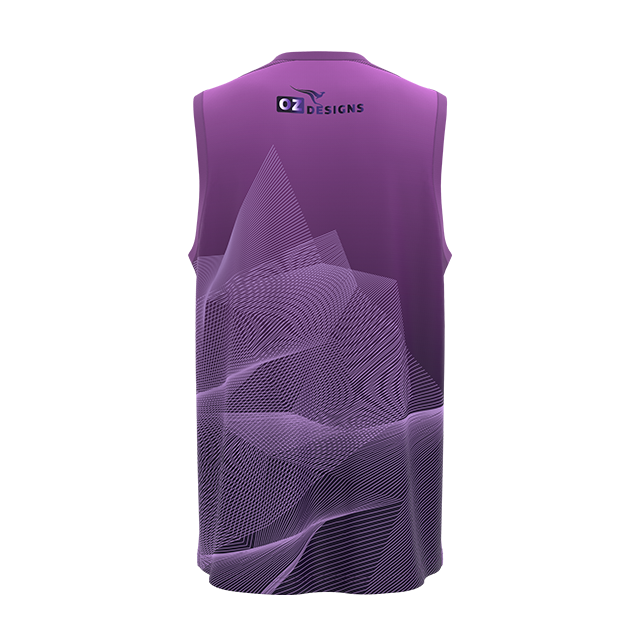
Never base your procurement decisions strictly on aesthetics. A visually striking design means nothing if the fabric fails. You must evaluate the underlying physical properties. Use the following framework to assess any potential Basketball Jersey before ordering.
Assess Breathability vs. Durability (The GSM Factor)
Verify Customization Compatibility
Determine Moisture Management Lifespan
Many buyers mistakenly believe lighter fabrics always perform better. Lighter materials do increase airflow. However, they severely sacrifice tear resistance. A basketball jersey endures constant pulling. Players grab each other during rebounds. They dive on hardwood floors.
You must evaluate the GSM. GSM stands for Grams per Square Meter. It measures fabric density. A high-quality athletic jersey needs a sufficient GSM. We typically look for ranges between 140 and 180 GSM. This specific density withstands grabbing and floor friction. It achieves this without causing thermal overload. Anything below 130 GSM risks tearing during competitive play.
Your chosen fabric strictly dictates your decoration methods. You cannot mix incompatible printing techniques and textiles. Doing so results in disastrous visual failures.
Sublimation: This process uses heat to turn dye into gas. The gas permanently bonds to synthetic polymers. True sublimation requires at least 95% polyester. If you attempt to sublimate a cotton blend, the dye will wash out immediately.
Tackle Twill and Embroidery: These methods stitch heavy patches directly onto the garment. They require a heavier, tightly woven base fabric. If you apply tackle twill to a lightweight open-hole mesh, the fabric will sag. The jersey will stretch out of shape under the physical weight of the stitched numbers.
Not all wicking fabrics perform equally over time. You must differentiate between structural wicking and chemical wicking. Premium fabrics are inherently woven to wick sweat. The actual yarn structure facilitates the capillary action. This performance lasts the entire life of the garment.
Conversely, budget vendors often use cheaper base fabrics. They simply coat the material in a moisture-wicking chemical wash. This treatment feels great initially. However, the chemical degrades rapidly. After 15 to 20 laundry cycles, the wicking properties vanish. Always ask your supplier how the moisture management is integrated.
Even experienced buyers make structural errors during the ordering process. Avoiding these common pitfalls saves time and prevents massive financial losses. We have identified the most frequent procurement risks in the industry.
Do not assume sizing remains universal across different materials. Fabric elasticity changes the entire fit profile. A large-sized jersey made of standard polyester mesh will drape loosely. It hangs off the shoulders. Conversely, a large-sized jersey in a poly-spandex blend will fit much tighter. The spandex forces the material to hug the body.
Best Practice: Never use generic sizing charts. You must demand fabric-specific sizing charts from your vendors. Request physical sizing samples if your team transitions from mesh to spandex.
Budget-conscious buyers sometimes fall for the cotton-blend trap. Vendors might offer cheap poly-cotton blends to reduce overall costs. Cotton feels soft during the initial fitting. However, it introduces severe athletic performance flaws.
Cotton absorbs sweat aggressively. Worse still, poly-cotton blends suffer from high shrinkage rates. A hot dryer cycle will warp the garment entirely. Furthermore, cotton fibers hold dye poorly compared to synthetic polymers. Teams experience severe color fading over a single season.
Sublimation allows for incredibly complex, vibrant designs. However, it carries a specific manufacturing risk known as dye migration. This occurs when you print dark colors onto light performance fabrics.
If the vendor uses poor-quality polyester, the dye remains unstable. If the factory fails to heat-set the fabric correctly, disaster strikes. High temperatures (like sitting in a hot car or a heavy dryer cycle) reactivate the dye. The dark colors bleed directly into the lighter areas. The entire jersey looks muddy and ruined.
Common Mistake: Approving a bulk sublimation order without washing a sample unit first. Always wash and dry a prototype to test the dye stability.
We can now apply these material metrics to real-world scenarios. Different competitive tiers require vastly different textile strategies. Use this framework to guide your next athletic uniform investment.
League Tier | Primary Focus | Material Recommendation |
|---|---|---|
Recreational & Youth | Low cost, high durability | 100% Standard Polyester Mesh |
High School & Club | Sublimation capability, longevity | Mid-weight Moisture-Wicking Microfiber |
Elite & Collegiate | Mobility, thermal regulation | Poly-Spandex Blends with laser vents |
Youth leagues experience high player turnover. Kids outgrow uniforms rapidly. Budgets remain notoriously tight. You do not need advanced capillary action for a beginner's league.
Recommendation: Stick to 100% Standard Polyester Mesh. Focus heavily on durability and low cost per unit. Standard mesh handles basic screen printing perfectly. It offers standard sizing profiles. Parents appreciate the straightforward care instructions. The material survives basic wash cycles without complex maintenance.
High school and travel club programs demand more. Athletes sweat heavily. Teams want professional-looking, intricate designs. The uniforms must survive an entire rigorous season.
Recommendation: Select a Mid-weight Moisture-Wicking Microfiber. Focus on a GSM around 150. This provides the necessary tear resistance. Crucially, a 100% microfiber base ensures flawless sublimation compatibility. You can execute intricate team designs without fear of dye migration. The inherent wicking structure guarantees season-long longevity.
At the highest levels, the uniform becomes engineered equipment. Fractions of a second matter. Players cannot tolerate chafing or restrictive fits. Thermal regulation impacts stamina directly.
Recommendation: Invest in Poly-Spandex Blends. Look for garments featuring targeted laser-cut ventilation. The primary focus here is unrestricted mobility. The spandex provides tailored athletic fits. Laser-cut holes in high-heat zones (like the lower back and underarms) provide advanced thermal regulation. This represents the absolute peak of modern athletic apparel.
The modern athletic uniform serves as an engineered piece of equipment, moving far beyond basic team colors.
Transitioning from historical natural materials to modern synthetics requires careful evaluation of breathability, elasticity, and GSM.
Buyers must balance strict budget limitations, league requirements, and specific customization needs before selecting a base material.
Chemical moisture treatments degrade rapidly; always prioritize fabrics with inherent structural wicking properties for long-term use.
Next Steps: Before placing any bulk order, contact your vendors immediately. Request physical fabric samples. Test the GSM, evaluate the stretch profile, and verify the print quality against your specific organizational demands.
A: True sublimation requires at least 100% polyester or a very high-polyester blend (95%+). The sublimation process turns dye into a gas. This gas must bind with synthetic polymers to set permanently. Natural fibers block this process. Using high-quality polyester guarantees vibrant colors without fading.
A: High-quality polyester and spandex blends experience minimal to zero shrinkage. Synthetic fibers naturally resist warping. However, you face severe risks if your jersey incorporates cotton. Exposing low-quality blends to extremely high dryer heat will warp the fabric structure permanently.
A: Spandex introduces structural elasticity directly into the yarn. This means the garment sits much closer to the body. Teams switching from traditional loose mesh to modern spandex blends frequently encounter sizing issues. You should always order sizing samples to ensure ultimate player comfort.


